Food first. Evidence before hype.

Eat like a human, not a marketing target.

A straight-talk field guide to diets, calories, everyday supplements and cleanses—with the upside, the downside and what the evidence can actually support.

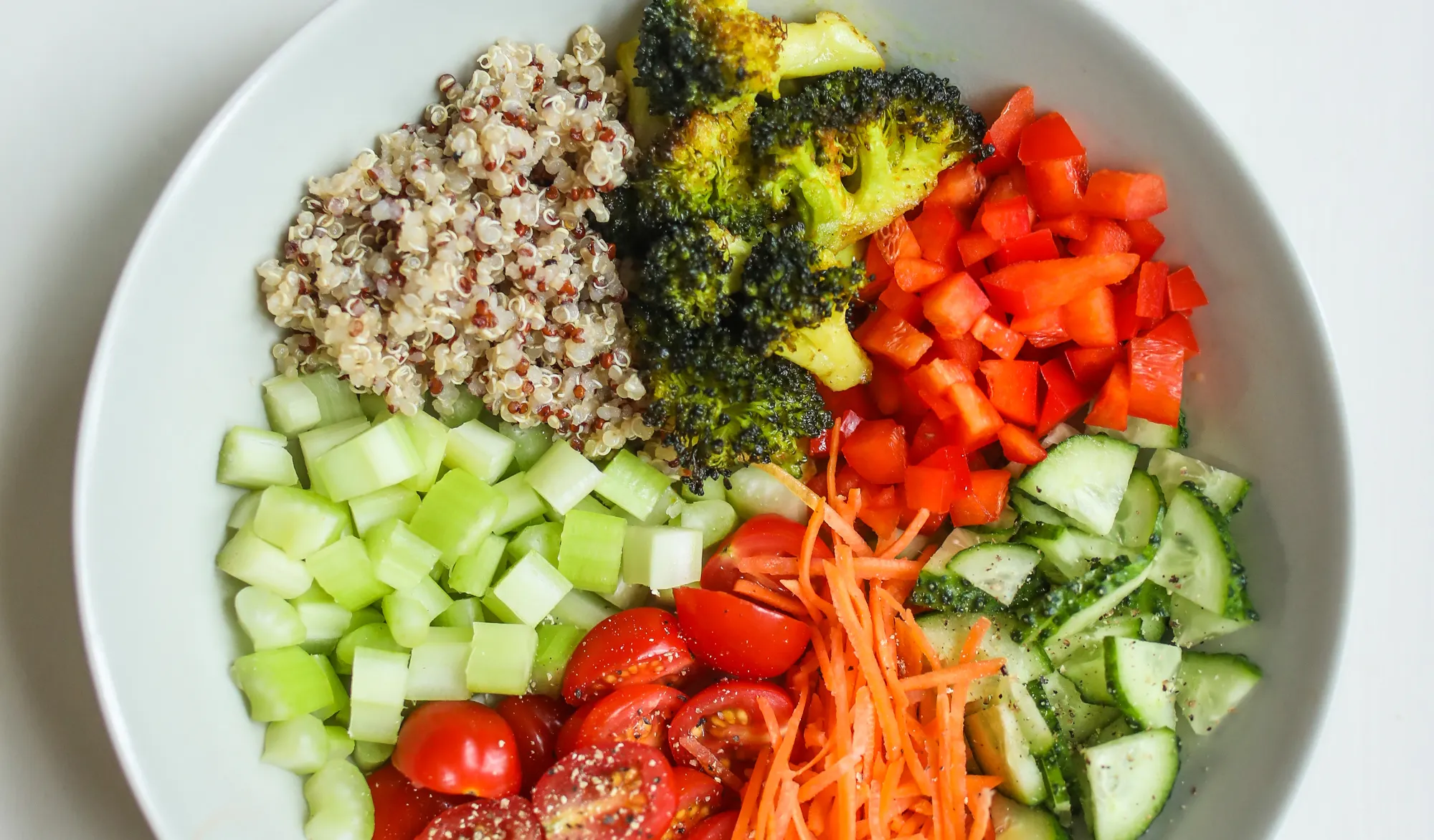
A colorful meal built from vegetables, grains and protein
A boring truth that works: repeatable meals beat miracle resets.
First, the safety line.

This guide is education only — it is not medical advice, and nothing here is a substitute for care from a licensed clinician. It does not diagnose, treat or prescribe for you personally. If you are pregnant, under 18, have kidney/liver disease, diabetes, an eating-disorder history, take medicines, or plan to inject anything, involve a licensed clinician or registered dietitian before acting on anything in this guide. Stop and seek urgent care for severe allergic reaction, chest pain, fainting, confusion, or persistent vomiting.

Start with the meal, not the label.

Choose foods you can recognize, portions you can repeat and a calorie target you can adjust. Supplements fill a specific gap; they do not erase a weak diet.

The no-drama plate

A flexible default for lunch and dinner. It works inside Mediterranean, DASH, vegetarian, higher-protein and moderate low-carb eating.

Add: water, herbs/spices and a thumb-sized portion of olive oil, nuts, seeds or avocado. Adjust: bigger carb portion for hard training; smaller if you are less active and calories are tight.

Calorie starting-point calculator

Uses the Mifflin–St Jeor equation and an activity multiplier. It is an estimate—not a metabolism scan. Activity levels were recalibrated in October 2026 with step-count anchors: the previous multipliers ran high for mostly-seated days, so maintenance now shows as a range and starts lower.

Your estimate will appear here.

Use 2–3 weeks of average body-weight trend to adjust. Day-to-day scale changes are mostly water and food mass. Do not use this calculator for pregnancy, growth, recovery from an eating disorder or medically supervised nutrition.

Twelve diet paths, with the bill attached.

“Best” means nutritionally sound, doable and matched to your reason—not the plan with the loudest before-and-after photo. Open any path for the deep dive, macro targets, ground rules and a full 7-day plan — then load each day straight into the daily tracker below and log what you actually ate.

Meal Plan Library

All 12 diet paths' complete 7-day meal plans, collected in one printable pack — so you can pin a week to the fridge, shop from one list, and stop reopening twelve tabs.

Every plan, one printable PDF

The Meal Plan Library collects all 12 diet paths' complete 7-day meal plans in one printable 27-page PDF. Each plan comes with its grocery checklist and macro cheat sheet, so the week, the shop, and the numbers sit on the same pages.

$14one-time · 27-page printable PDF
Get the Meal Plan Library — $14

Honest note: the same meal plans are free to read on this site, right in the diet paths above. This pack is simply the printable, all-in-one version — for the fridge door, the grocery run, and offline weeks.

Education only — not medical advice.

Your day, on the record.

Pick your diet path, load today's plan, then edit it into what you actually ate. Mark each meal on-plan or off-plan, watch the calories add up against your target, and save the day to your week log.

Loading a plan fills in the suggested meals for that weekday. Change anything to match what you really ate — an honest log beats a perfect-looking one.

Add calories to a meal to see today's total.

Your log is kept in this tab for this session — download it to keep a copy.

    No days saved yet. A week of honest logs tells you more than any single weigh-in.

    Bulking: gain muscle, not just weight.

    A calorie surplus does not build muscle by itself — progressive resistance training and enough protein do that. The surplus is just the fuel budget. The only real choice is the pace: slow and lean, or fast and heavier on the scale. Pick a pace below and you get the full plan for it: calories, macros, training split, a sample day, a 7-day framework and the rules for adjusting.

    A lifter setting up for a barbell deadlift in a gym

    The training is the signal. Food is the supply.

    Lift progressively 3–5 days a week, sleep like it is part of the program, and eat to a target you can measure. Everything below assumes healthy adults who are training — a surplus without training is just weight gain.

    The slow bulk plan

    Run it 16–24 weeks or longer. Set your target with the calculator using “Slow gain (lean bulk),” then log your days in the daily tracker.

    +200–300 kcaldaily surplus over maintenance
    0.25–0.5 lb/wktarget gain on the 7-day average (about 0.25–0.5% of body weight per month for trained lifters; beginners can aim a little higher)
    1.6–2.2 g/kgprotein daily — roughly 0.7–1.0 g per pound of body weight
    16–24+ weeksphase length before reassessing

    Macros, in plain terms

    • Protein: 1.6–2.2 g/kg daily, split across 3–5 meals (about 0.25 g/kg per meal). The ISSN position stand puts 1.4–2.0 g/kg as sufficient for most exercising people; the top of the range is insurance, not magic.
    • Fat: 20–30% of calories — do not crush it lower; hormones and food satisfaction live there.
    • Carbs: everything left over. They are the training fuel and the easiest surplus lever.
    • Fiber: 25–38 g/day. A bulk with no fiber is a miserable bulk.

    Training that earns the surplus

    • 4 days/week upper–lower (or 3 full-body days if time is tight), progressive overload logged every session.
    • 6–12 hard sets per muscle per week to start; add sets only when recovery and performance allow.
    • Main lifts in the 5–10 rep range, accessories 8–20. Add weight or reps weekly — the logbook is the program.
    • Cardio stays in: 2–3 Zone 2 sessions of 20–30 minutes (see the cardio section). Appetite and work capacity are bulking tools.

    Sample day — about 3,100 kcal, ~180 g protein

    Scale portions to your own target; the structure — protein at every meal, carbs around training — matters more than the exact foods.

    Breakfast · ~750 kcal

    Meal: oats cooked in whole milk with peanut butter, banana and honey; Greek yogurt on the side.

    Protein: ~35 g

    Lunch · ~850 kcal

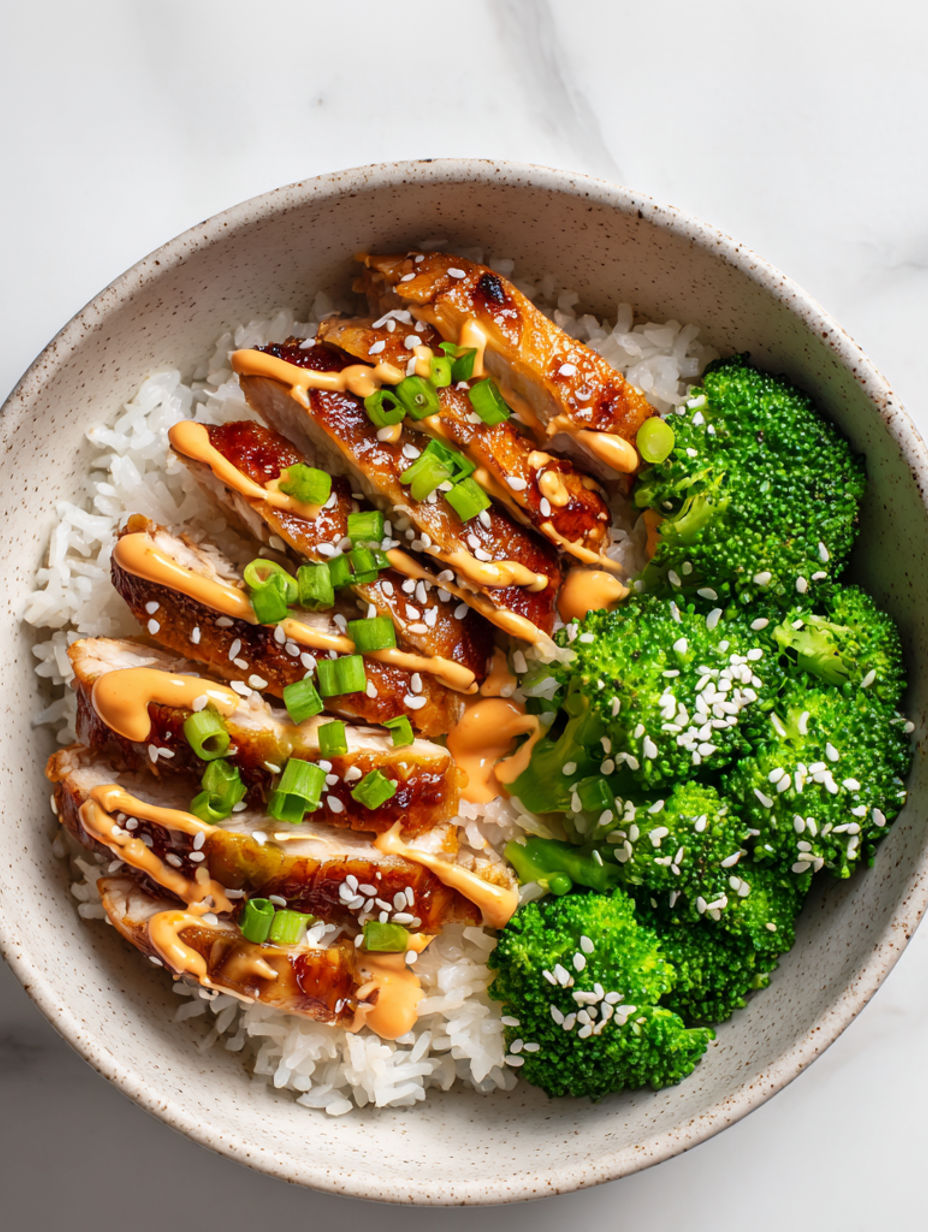
    Meal: chicken, rice and broccoli bowl (pictured below) with an extra drizzle of olive oil and a glass of whole milk.

    Protein: ~55 g

    Pre-training · ~400 kcal

    Meal: bagel with jam, or a banana and a small whey shake, 60–90 minutes before lifting.

    Protein: ~25 g

    Dinner · ~850 kcal

    Meal: beef or salmon, potatoes, vegetables cooked in butter or oil; cheese on top counts and helps.

    Protein: ~50 g

    Evening · ~250 kcal

    Meal: cottage cheese or casein-style yogurt bowl with berries and granola.

    Protein: ~20 g

    Your 7-day framework

    Monday

    Train: Upper — heavy pressing and rows.

    Eat: full target; carbs front-loaded around training.

    Tuesday

    Train: Lower — squat pattern and hinges.

    Eat: full target; biggest dinner of the week is fine here.

    Wednesday

    Train: Rest + 20–30 min Zone 2 walk or cycle.

    Eat: full target — rest days still grow muscle; do not cut calories.

    Thursday

    Train: Upper — volume day, arms and delts.

    Eat: full target.

    Friday

    Train: Lower — deadlift pattern and single-leg work.

    Eat: full target.

    Saturday

    Train: Optional Zone 2 or sport.

    Eat: full target; a restaurant meal fits — order the extra side, not a second entrée of regret.

    Sunday

    Train: Full rest. Meal-prep day.

    Eat: full target; weigh in and average the week.

    Why it works
    The surplus roughly matches the slow rate at which muscle can actually be built, so fat gain stays minimal, appetite never gets crushed, and the plan is sustainable for months — long enough for real progress.
    The honest costs
    Progress is slow enough to doubt. Scale noise can hide the trend for 2–3 weeks, and under-eating by accident (skipped meals, busy days) quietly turns a bulk into maintenance.

    Adjustment rules

    • Weigh 3–7 mornings a week, after the bathroom, and judge only the weekly average.
    • Gaining slower than 0.25 lb/week for 2 straight weeks? Add 150–200 kcal — one small snack or an extra tablespoon of olive oil across meals.
    • Gaining faster than 0.5–0.75 lb/week? Trim 150–200 kcal. You are buying fat you will have to diet off.
    • Strength stalled but weight is rising on target? Look at sleep and program before food — the surplus is already there.
    • End the phase when you have gained roughly 5–10% of body weight, or sooner if you simply dislike how you look and feel. Maintain for 2–4 weeks before any cut.
    Side by side
    Slow bulk
    Fast bulk
    Surplus
    +200–300 kcal/day
    +500–750 kcal/day
    Expected gain
    ~0.25–0.5 lb/week; mostly lean for beginners, lean-leaning for trained lifters
    ~0.75–1.25 lb/week; expect a substantial fat share
    Run it for
    16–24+ weeks
    8–12 weeks, capped
    Protein
    1.6–2.2 g/kg/day
    1.6–2.2 g/kg/day — identical
    After it ends
    Maintain, or a short 4–6 week tidy-up cut
    Maintain 2–4 weeks, then a planned cut of roughly half the bulk’s length
    Best for
    Most people; anyone who wants to stay lean while growing; intermediates and advanced lifters
    Hard-gainers, beginners, and underweight lifters who accept the trade
    Main risk
    Impatience and accidental under-eating
    Fat overshoot, digestive misery, a long cut

    Build the bulking plate

    Take the no-drama plate and tilt it: protein stays a palm-and-a-half, the starch quarter becomes a third, and fats stop being shy.

    A bulking meal bowl of sliced chicken over rice with broccoli

    The template: protein (chicken, beef, fish, eggs, tofu) + a full fist-and-a-half of rice, pasta or potatoes + vegetables cooked in oil + a sauce or cheese. Seconds on the starch, not on dessert.

    Cheap calories that do not wreck the diet

    For slow and fast bulkers alike, add calories to food you already eat before adding new meals:

    • Olive oil — ~120 kcal per tablespoon, invisibly, on rice, pasta and vegetables.
    • Peanut or almond butter — ~190 kcal per 2 tablespoons, on oats, toast, smoothies.
    • Whole milk — ~150 kcal per cup; swap it in everywhere skim was hiding.
    • Trail mix and granola — ~450–500 kcal per cup; the hard-gainer’s desk drawer.
    • Cheese, avocado, full-fat yogurt — flavor and calories in the same bite.
    • Dried fruit — raisins and dates pack carbs into a small, gut-friendly volume.

    What actually breaks bulks: skipped breakfasts, “intuitive” eating on busy days, and fear of the scale. Eat by the clock for the first month; appetite catches up.

    1

    Weeks 1–2: find your real maintenance

    Eat at the calculator’s maintenance estimate, log everything in the tracker, and weigh daily. If the 14-day average is flat, that number is your maintenance — add the surplus from there, not from a formula’s guess.

    2

    Weeks 3–10: run the pace

    Hit the calorie and protein targets at least 6 days out of 7, progress the logbook weekly, and change nothing based on a single weigh-in. Judge only weekly averages against your pace’s target range.

    3

    Weeks 11–12: audit, then decide

    Compare waist, photos, lifts and the weight trend. On pace and lifts climbing? Extend. Waist racing ahead? Drop a pace. Phase done? Hold maintenance 2–4 weeks — new muscle is easier to keep than to rush.

    Protein range per the International Society of Sports Nutrition position stand on protein and exercise: read it at PMC ↗. Bulking is for healthy adults; if you are under 18, pregnant, recovering from an eating disorder, or managing a metabolic condition, this is clinician territory, not a self-run surplus.

    Cardio: pick the form that fits the goal.

    Cardio is not one thing. Easy steady work builds your engine and burns steady calories; intervals buy fitness in little time at a real recovery cost; low-impact forms let sore joints train daily. Tell this section your goal and it will point at the forms that serve it — then take the sample sessions and the weekly plan that matches.

    A group of runners training together on a city path

    The best cardio is the one still happening in week twelve.

    The public-health floor for adults is 150 minutes a week of moderate activity — or 75 minutes vigorous, or a mix — plus muscle-strengthening on 2 days. Everything below is a way to actually hit that, or build past it.

    Showing all 8 forms of cardio.

    Low impact · Zone 2

    Zone 2 steady state

    The foundation of almost every good cardio plan: easy, conversational work on a bike, treadmill, rower or elliptical that builds the aerobic base everything else stands on.

    Sample session
    30–45 min at a pace where you can speak in full sentences (about 60–70% of max heart rate, RPE 3–4 of 10).
    Weekly dose
    2–4 sessions; build toward 90–150 min/week.
    Best for
    Heart health, fat loss alongside lifting, recovery between hard days.
    Watch
    Drifting too hard — if you cannot hold a conversation, it is no longer Zone 2.
    Lowest impact · Zone 1–2

    Walking & incline walking

    The most underrated fat-loss tool on this page. Brisk and incline walking burn real calories with almost no recovery cost, no soreness and no appetite spike.

    Sample session
    Treadmill at 3–3.5 mph on a 10–15% incline for 30 min (the “12-3-30” family), or a brisk 45-min walk outside.
    Weekly dose
    Daily is fine. 7,000–10,000+ steps/day is the quiet target behind most successful plans.
    Best for
    Fat loss, beginners, rest-day movement, bulking without eating back the surplus.
    Watch
    Holding the treadmill rails quietly deletes the incline’s benefit.
    High impact option · Zone 4–5

    HIIT intervals

    Short, hard repeats with easy recoveries. The most time-efficient way to raise VO₂ max and top-end fitness — and the easiest to overdo.

    Sample session
    Warm up 5–10 min, then 8 × 1 min hard (RPE 8–9) with 1–2 min easy between, cool down 5 min. About 25 min total.
    Weekly dose
    1–2 sessions, never on back-to-back days. More is not better here.
    Best for
    Busy people chasing fitness, not beginners in week one.
    Watch
    Leg soreness that steals from lifting; keep HIIT away from leg day by at least a day.
    Moderate impact · Zone 3–4

    Tempo & threshold work

    Sustained “comfortably hard” effort — the pace you could hold for about an hour, all out. This is how endurance athletes turn fitness into speed.

    Sample session
    Warm up 10 min easy, then 20 min at threshold effort (full sentences become 3–4 word fragments, RPE 7), cool down.
    Weekly dose
    1 session, inside a week that is otherwise mostly easy.
    Best for
    Runners and cyclists building toward a 5K, 10K or a faster time trial.
    Watch
    Living here daily — the “grey zone” is too hard to recover from and too easy to adapt you.
    Low impact · All zones

    Cycling

    The lifter’s favorite cardio and a complete endurance sport in its own right: huge aerobic volume with no pounding, indoors or out.

    Sample session
    40 min steady (Zone 2), or swap one ride a week for 6 × 3 min strong climbs or intervals.
    Weekly dose
    2–4 rides. Long ride on the weekend if endurance is the goal.
    Best for
    Almost everyone; the easiest form to dose precisely.
    Watch
    Bike fit — knee and back pain are usually setup problems, not cycling problems.
    Lowest impact · All zones

    Swimming

    Full-body, zero-impact and genuinely hard: water supports your weight while resisting every stroke, which is why swimmers get fit and hungry.

    Sample session
    8 × 50 m (or 2 lengths) at a steady effort with 30–60 seconds rest, plus easy laps to warm up and cool down — 25–35 min total.
    Weekly dose
    2–3 sessions.
    Best for
    Bad knees and backs, heavier bodies, anyone who hates sweating.
    Watch
    Technique is the limiter — a few lessons beat months of fighting the water.
    Low impact · Zone 2–5

    Rowing & ski erg

    The highest calorie burn per minute of the low-impact machines, and the only cardio here that meaningfully trains the back, hips and arms together.

    Sample session
    20 min steady at 20–24 strokes/min, or 10 × 250 m hard with 1 min easy between.
    Weekly dose
    2–3 sessions of 15–30 min.
    Best for
    Short, dense sessions; posture muscles; home gyms.
    Watch
    Form first: legs, then hips, then arms — rounding your back under fatigue is how rowing gets its bad reputation.
    High impact · All zones

    Running

    The most accessible vigorous cardio there is — and the one that punishes impatience. Bone, tendon and fitness all adapt, on different schedules.

    Sample session
    Run–walk to start: 1 min easy jog / 2 min walk × 10. Build to 25–35 min continuous, mostly easy.
    Weekly dose
    3 runs: two easy, one longer or with short strides. Add no more than ~10% distance per week.
    Best for
    Race goals, bone density, people who simply love it.
    Watch
    Most running injuries are “too much, too soon,” not bad luck. Land softly, increase slowly.
    Varies · Zone 2–4

    Sport, rucking & stairs

    Pickup basketball, soccer, hiking with a loaded pack, stair climbing: cardio that does not feel like cardio, with agility and bone-loading bonuses.

    Sample session
    60–90 min of pickup sport, or ruck 2–3 miles with 10–20% of body weight in the pack, or 15 min of stadium/hill stairs.
    Weekly dose
    1–2 sessions alongside your base work.
    Best for
    People who will not stick to a machine — adherence beats optimization.
    Watch
    Sport is a workout, not a warm-up act: ankles and knees need the same gradual build as running.

    Know your zones — no lab test needed

    The talk test tracks intensity honestly. Heart-rate percentages are estimates of maximum heart rate; if you take medicines that slow heart rate (such as beta blockers), go by effort and the talk test instead.

    Zone 1 · RecoveryUnder ~55% max HR. Full conversation, easy breathing. Warm-ups, cool-downs, walking.
    Zone 2 · Base~60–70% max HR. Full sentences, nose-breathing possible. Where most minutes should live.
    Zone 3 · Tempo~70–80% max HR. Sentences get choppy. Useful in doses; a trap as a daily home.
    Zone 4 · Threshold~80–90% max HR. A few words at a time. Tempo runs, hard intervals’ neighborhood.
    Zone 5 · Max~90%+ max HR. Talking is not happening. Seconds-to-minutes only, fully rested repeats.

    The weekly recipe that works for most goals: about 80% of cardio time easy (Zones 1–2), about 20% hard (Zones 4–5), with Zone 3 sprinkled deliberately — not by accident.

    Three ready-made weeks

    Repeat any of these for 4–6 weeks, adding a few minutes a week, before upgrading. Log the activity minutes in the daily tracker alongside your meals.

    Starter week — build the habit

    Mon20 min easy walk or cycle (Zone 1–2)
    TueRest or gentle stretching
    Wed25 min Zone 2 — any machine or brisk walk
    ThuRest
    Fri20 min Zone 2 + 4 × 20-second brisk pickups
    Sat40 min easy walk, hike or swim
    SunRest — total ≈ 105–120 active minutes

    Fat loss + lifting week

    MonLift (upper) + 10 min incline walk finish
    Tue35 min Zone 2 cycle or row
    WedLift (lower) — no hard cardio today
    Thu30 min incline walking + daily steps
    FriLift (upper) + optional 15 min Zone 2
    Sat45–60 min easy hike, swim or sport
    SunRest — cardio supports the deficit; the diet creates it

    Endurance builder week

    MonRest or 20 min Zone 1 spin
    TueIntervals: 6 × 3 min strong / 2 min easy
    Wed40 min Zone 2 cross-training (cycle or swim)
    ThuTempo: 10 min easy + 20 min threshold + 10 min easy
    FriRest
    SatLong session: 60–90 min Zone 2, your main sport
    Sun30 min Zone 1–2 recovery or full rest

    Cardio and muscle: the honest version

    Cardio does not “kill gains” at sane doses — unrecovered training and under-eating do. Keep the two from fighting:

    • Easy cardio (Zone 2, walking) can live almost anywhere, even on lifting days; on a bulk, eat back what it burns.
    • Hard cardio (HIIT, tempo) goes after lifting or on its own day, separated from leg training by about a day.
    • If something must give, cut interval volume before easy volume — the base is what keeps you healthy enough to train.
    • Fuel the work: chronic low calories plus high cardio is the actual muscle-loss recipe, not the cardio itself.

    Progress without wrecking yourself

    • The ~10% rule: add no more than about 10% to weekly minutes or distance at a time; hold every 3–4 weeks.
    • Easy days easy, hard days hard. Turning every session medium is the classic plateau-and-injury recipe.
    • Two strength days stay in every plan — muscle, bone and joints are what let cardio continue for decades.
    • Sleep and soreness are data. Two flat, heavy-legged sessions in a row means recover, not push.

    Stop and get checked for chest pain or pressure, unusual breathlessness, palpitations, dizziness or fainting during exercise — those are not “push through it” symptoms. New to exercise with a heart condition or risk factors? A quick clinician conversation first is a strength move, not a delay.

    Weekly targets per the CDC’s adult activity guidelines (150 minutes moderate or 75 minutes vigorous, plus 2 days of muscle-strengthening): CDC — what counts as activity ↗.

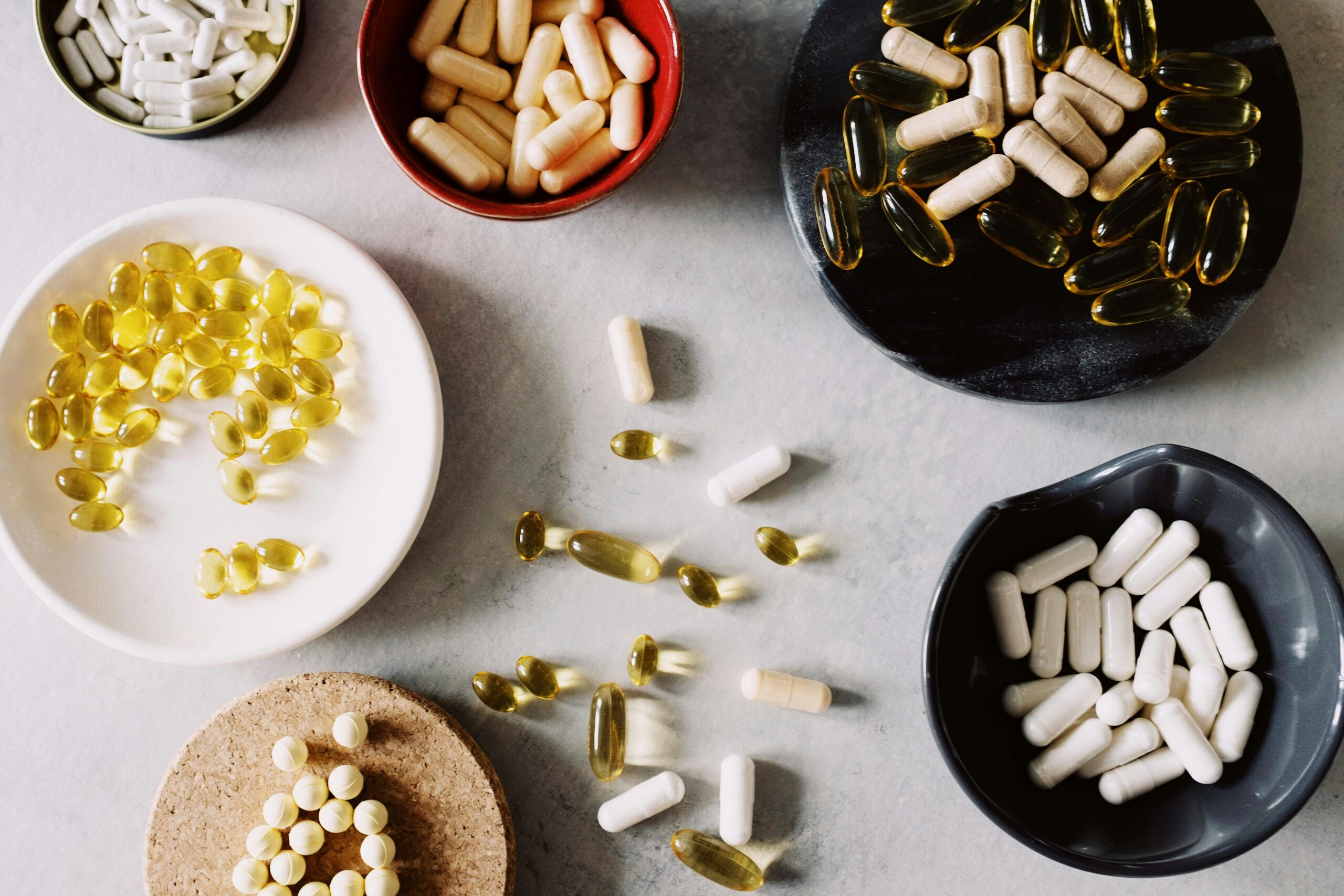
    Capsules and supplement bottles arranged on a neutral surface

    The bottle should answer one narrow question.

    “What documented gap does this fill?” is a useful question. “What stack fixes everything?” is how people end up buying proprietary blends, overlapping doses and ingredients that fight their medicines.

    The supplement reality check.

    Eighteen specific products you can actually buy — every listing has a photo, a price, a named retailer and a direct link to that exact item. Nothing here is listed without a way to purchase it. Search by product or need.

    Showing all 18 products.

    New product guides:

    No review matches that search.

    Try an ingredient name or a reason such as sleep, strength, gut, joint, heart or deficiency. A missing result means this guide has not reviewed it—not that it is safe or ineffective.

    Medical disclaimer: These listings are education, not medical advice, and they are not a substitute for a licensed clinician. A supplement that is legal to sell is not automatically safe or effective for you — doses, interactions and product quality vary, and only a clinician who knows your history can judge that. Talk to your doctor or pharmacist before starting any supplement, especially with a health condition, during pregnancy, or alongside prescription medicines.

    Skin care, with the receipts.

    Twenty-one specific products you can actually buy — the same rule as the supplement shelf: every listing has a photo, a price, a named retailer and a direct link to that exact item, with the research backing attached. Build the base first — cleanser, moisturizer, sunscreen — and add one active at a time.

    Showing all 21 products.

    Shop by step:

    No product matches that search.

    Try a product name or a concern such as acne, redness, dry skin or sun protection. A missing result means this guide has not reviewed it—not that it is safe or effective.

    Peptides: the legal shelf, and the honest fine print.

    “Peptide” covers two very different worlds. First, the products that are legal consumer goods — collagen powders you stir into coffee and peptide serums you put on skin — in the same format as the rest of this guide: full description, pros and cons, photo, price, retailer, direct buy link and the research attached. Below them, the honest explainer on the injectable “research” peptides and the GLP-1 drugs — covered in full, and deliberately not sold here: no buy buttons, no affiliate tags.

    Showing all 7 products.

    Shop by type:

    No product matches that search.

    Try collagen, serum, joint or wrinkles. If you were looking for BPC-157, TB-500 or a GLP-1, they are covered in the explainer directly below — deliberately without buy links.

    Not sold here: the “research” peptides

    BPC-157, TB-500, CJC-1295, ipamorelin and their cousins are not FDA-approved for human use, and licensed US pharmacies cannot legally compound most of them — the FDA has placed several on its Category 2 bulk-substances list, reserved for substances that raise significant safety concerns. Websites sell the vials labeled “for research only, not for human consumption” because selling them for people to inject is not legal. The human evidence matches the legal status: for most of these compounds there is not one completed controlled human trial — the healing stories trace back to rat studies and anecdotes. Competitive athletes should also know WADA prohibits several of them outright. Nothing in the explainer below is for sale, and nothing here carries an affiliate tag.

    How to read the claims below

    Each compound gets the same treatment as everything else on this page: the claim as it is sold, then the reality as the evidence supports it. Where a legal, tested option exists for the same goal, the reality box names it.

    Still considering one of these? That is a conversation for a licensed clinician, not a checkout page — and bring the FDA and WADA sources linked at the bottom of this section with you.

    The claim
    Sold as a near-miraculous repair signal: faster tendon, muscle and gut healing, quicker injury recovery, sometimes nicknamed “Wolverine serum.”
    The reality
    The research trail is animal studies — mostly rats — plus anecdotes. There is no completed controlled human trial establishing that BPC-157 heals anything in people, at any dose. The FDA lists it among bulk substances presenting significant safety risks, US pharmacies cannot legally compound it, and WADA bans it for athletes. An unregulated vial also means unverified identity, dose and sterility.
    The claim
    A fragment of thymosin beta-4 marketed for tissue repair, flexibility, reduced inflammation and faster recovery from training injuries.
    The reality
    The parent protein is genuinely interesting biology, but TB-500 itself has no approved human product and no controlled human efficacy trials — the data are cell and animal work. It is prohibited in sport, sold only as a research chemical, and its long-term safety is unstudied, including theoretical concerns that a growth-and-migration signal is the wrong thing to add where abnormal cells are concerned.
    The claim
    Growth-hormone secretagogues sold as the softer alternative to injecting HGH: more muscle, less fat, deeper sleep, slower aging.
    The reality
    These compounds really do raise growth hormone and IGF-1 — which is the risk, not just the pitch: excess GH signaling is linked to insulin resistance, carpal tunnel symptoms and tissue overgrowth. None is FDA-approved for bodybuilding or anti-aging, several sit on the FDA’s significant-risk list, and WADA bans GH secretagogues. Sermorelin’s old approval was a narrow pediatric one, and that product was withdrawn.
    The claim
    The copper peptide in the $32 serum above, sold in vials with claims of skin regeneration, hair regrowth and whole-body repair at “real” doses.
    The reality
    Topical GHK-Cu is a legal cosmetic ingredient with small-study support — that evidence does not transfer to a syringe. Injected GHK-Cu is an unapproved drug use with no established dose, no purity standard and no human trial program behind it. If you want this peptide, the legal version is the serum in the grid above, used on skin, with appropriately modest expectations.
    The claim
    A melanocortin peptide sold for a sun-free tan, with appetite and libido effects listed as bonuses.
    The reality
    Unapproved in the US and warned against by regulators in several countries. Case reports link it to nausea, blood-pressure spikes, darkening and changing moles, and melanoma diagnoses in users — the worst possible profile for a cosmetic shortcut. A tan is not worth an uncharacterized drug; the legal route to color is a self-tanner from the skin care shelf.

    The GLP-1 drugs: real medicine — prescription only, and still not sold here

    Semaglutide (Ozempic, Wegovy) and tirzepatide (Mounjaro, Zepbound) are peptides too — and they are everything the research chemicals are not: large randomized trials, FDA approval for type 2 diabetes and chronic weight management, and known, labeled risks, from nausea and vomiting to gastroparesis warnings and the muscle that is lost alongside the fat. That track record is exactly why they are prescription medicines, dispensed by licensed pharmacies — and why this guide explains them instead of selling them.

    The legitimate route
    A clinician who knows your history, a prescription in your name, regular follow-up, and the FDA-approved product from a state-licensed pharmacy. For the right patient, this is one of the best-evidenced drug classes in modern medicine.
    The shortcut market
    After the FDA declared the shortages over — tirzepatide in December 2024, semaglutide in February 2025 — mass-produced compounded copies lost their legal footing. The FDA does not review compounded drugs for safety, effectiveness or quality before sale, has logged hundreds of adverse-event reports for compounded semaglutide and tirzepatide including dosing errors, and warns that salt forms such as semaglutide sodium or acetate are not the approved ingredient. Vials sold with no real prescription sit outside the law entirely.

    Read the primary sources: FDA on compounding safety risks ↗ · WADA prohibited list ↗

    Cleanses: the honest version.

    Your liver, kidneys, lungs and gut already handle waste. A juice-only week, laxative tea or “parasite purge” does not service those organs like an oil change.

    MOSTLY
    SKIP

    Why people feel a quick change

    Less food, sodium and carbohydrate can drop scale weight fast—mostly water and gut contents. It is not proof that “toxins” left the body.

    The useful part
    Briefly removing alcohol, sugary drinks and ultra-processed snacks can expose habits and reduce calories.
    The costly part
    Dehydration, diarrhea, low protein, electrolyte problems, medication interactions and rebound eating.

    A reset that is actually food

    • Three regular meals for 3–7 days; each has protein and produce.
    • Water as the default drink; keep caffeine steady rather than abruptly quitting.
    • Beans, oats, fruit and vegetables for fiber; add gradually if your gut is sensitive.
    • Skip alcohol and liquid calories; keep normal salt if you sweat heavily or have clinician guidance.
    Read NCCIH’s cleanse safety review ↗

    Cookbooks that teach a pattern, not a detox.

    One real, buyable cookbook for every diet path in this guide — each listing shows the cover, the price, the retailer and a direct link to that book's purchase page. Use the library first if you are unsure. The best cookbook is the one whose ingredients, prep time and leftovers match your actual week.

    A home cook preparing vegetables at a kitchen counter
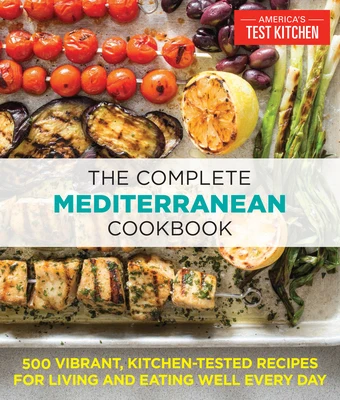
    Cover of The Complete Mediterranean Cookbook by America's Test Kitchen
    The Complete Mediterranean CookbookAmerica’s Test Kitchen · Mediterranean / flexitarian · broad technique and pantry coverage.
    $35.99at Books-A-MillionBuy at Books-A-Million ↗
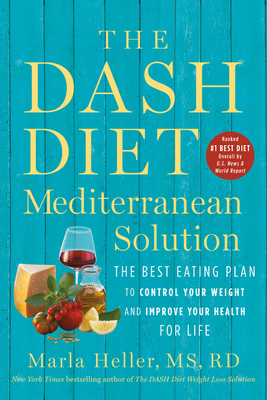
    Cover of The DASH Diet Mediterranean Solution by Marla Heller
    The DASH Diet Mediterranean SolutionMarla Heller, MS, RD · DASH · four weeks of menus with a whole-food angle.
    $18.99at Roundabout BookshopBuy at Roundabout Bookshop ↗
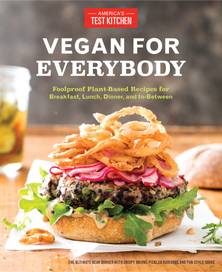
    Cover of Vegan for Everybody by America's Test Kitchen
    Vegan for EverybodyAmerica’s Test Kitchen · vegan · technique-led recipes rather than replacement-product dependence.
    $29.99at Porchlight Book CompanyBuy at Porchlight ↗
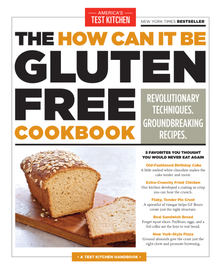
    Cover of The How Can It Be Gluten-Free Cookbook by America's Test Kitchen
    The How Can It Be Gluten-Free CookbookAmerica’s Test Kitchen · gluten-free · practical baking and meals for medically necessary gluten avoidance.
    Approx. $29.99at Barnes & NobleBuy at Barnes & Noble ↗
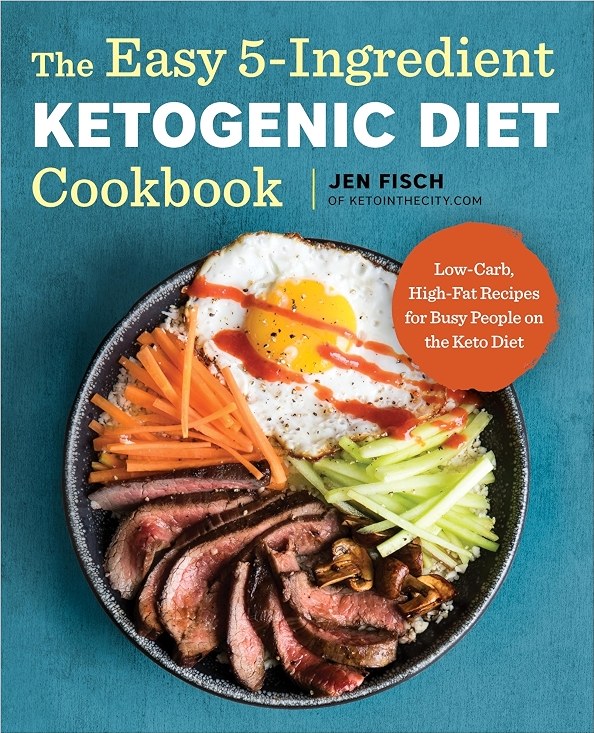
    Cover of The Easy 5-Ingredient Ketogenic Diet Cookbook by Jen Fisch
    The Easy 5-Ingredient Ketogenic Diet CookbookJen Fisch · ketogenic · five-ingredient, low-carb recipes built for busy weeknights.
    $16.99at Books-A-MillionBuy at Books-A-Million ↗
    Cover of The New 500 Low-Carb Recipes by Dana Carpender
    The New 500 Low-Carb RecipesDana Carpender · moderate low-carb · the classic 500, updated for today's low-carb cooking.
    $26.99at Books-A-MillionBuy at Books-A-Million ↗
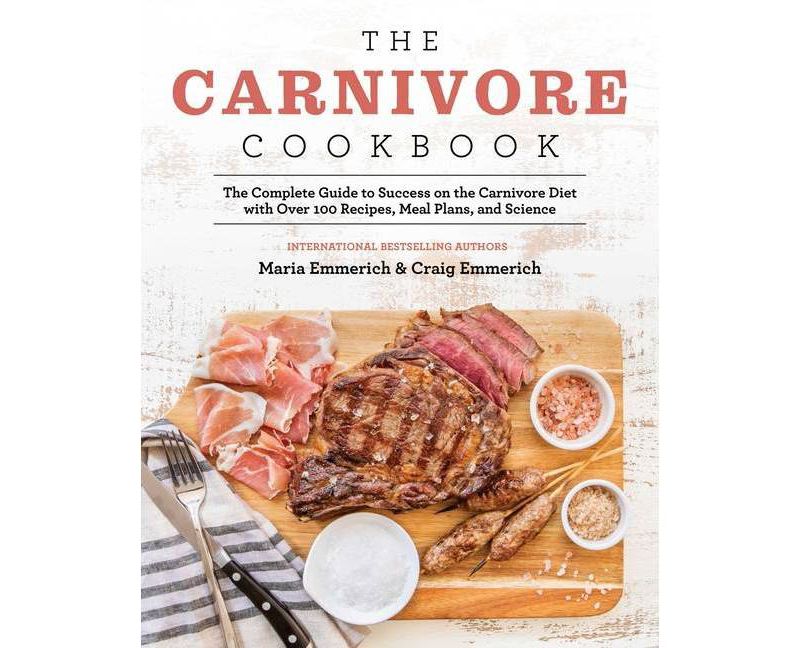
    Cover of The Carnivore Cookbook by Maria Emmerich and Craig Emmerich
    The Carnivore CookbookMaria Emmerich & Craig Emmerich · carnivore · 100+ animal-based recipes and meal plans. A recipe book, not evidence the pattern is safe long-term — the carnivore cautions above still apply.
    $36.76at Blackwell'sBuy at Blackwell's ↗
    Cover of What Would Jesus Eat Cookbook by Don Colbert
    What Would Jesus Eat CookbookDon Colbert, M.D. · biblical / scriptural whole-food · recipes built on the foods named in Scripture.
    $27.67at TargetBuy at Target ↗
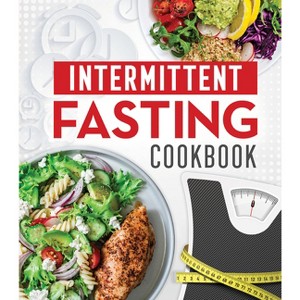
    Cover of Intermittent Fasting Cookbook by Publications International Ltd.
    Intermittent Fasting CookbookPublications International Ltd. · intermittent fasting · balanced meals planned around an eating window.
    $12.00at TargetBuy at Target ↗
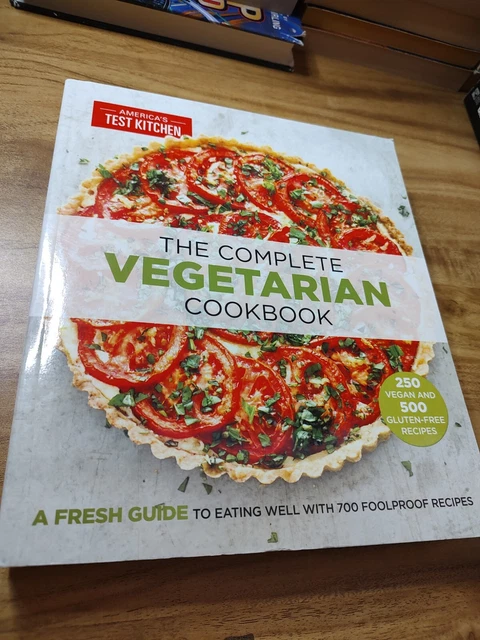
    Cover of The Complete Vegetarian Cookbook by America's Test Kitchen
    The Complete Vegetarian CookbookAmerica’s Test Kitchen · vegetarian · 700 kitchen-tested meatless recipes, with vegan and gluten-free options throughout.
    $34.99at Books-A-MillionBuy at Books-A-Million ↗
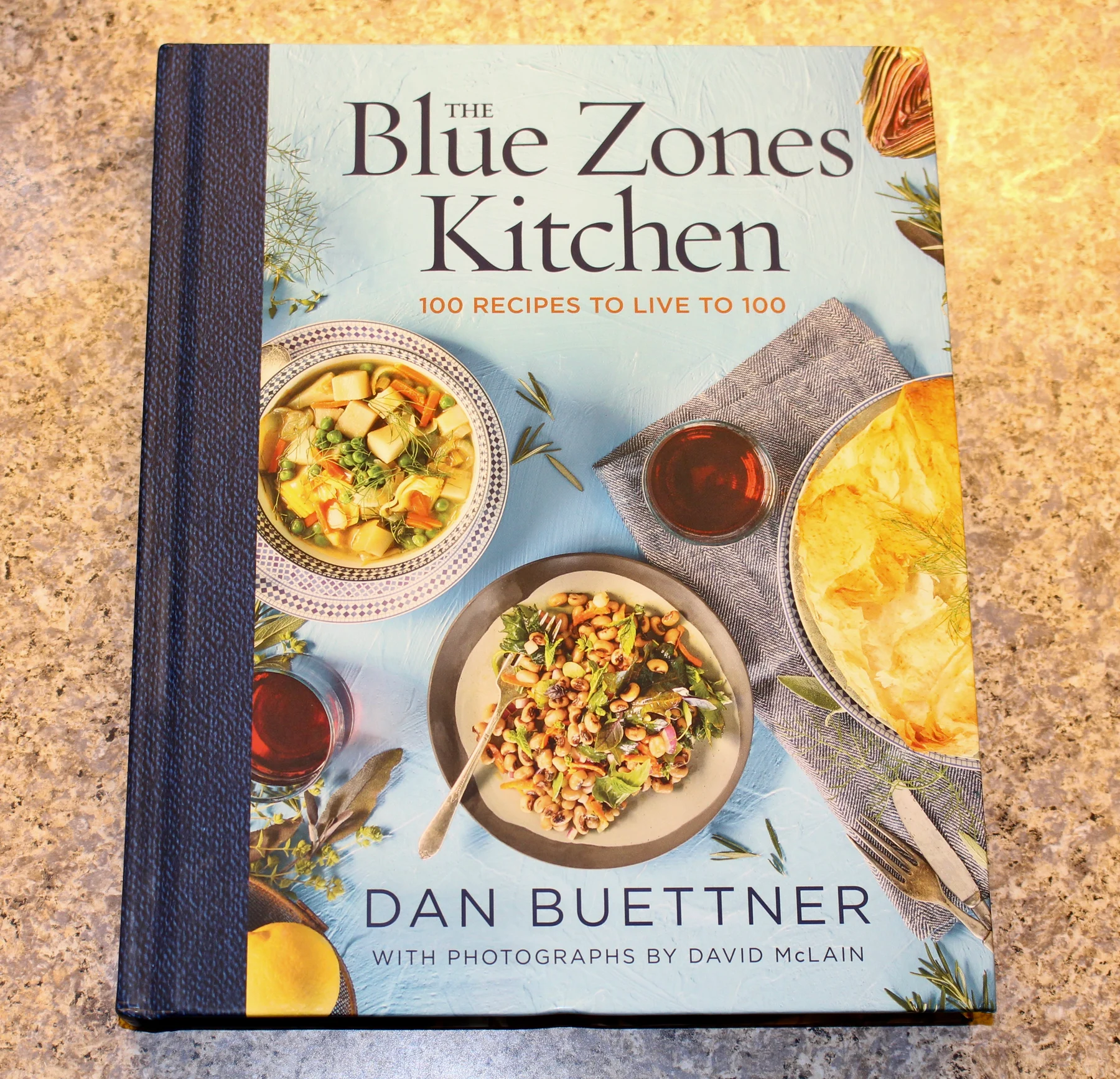
    Cover of The Blue Zones Kitchen by Dan Buettner
    The Blue Zones Kitchen: 100 Recipes to Live to 100Dan Buettner · whole-food balanced · 100 recipes from the world's longevity hotspots.
    $35.00at Books-A-MillionBuy at Books-A-Million ↗
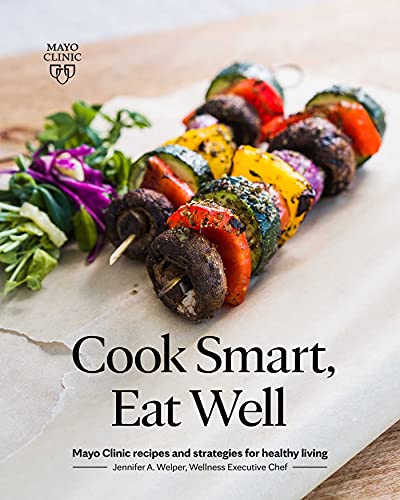
    Cover of Cook Smart, Eat Well by Jennifer A. Welper
    Cook Smart, Eat Well: Mayo Clinic Recipes and Strategies for Healthy LivingJennifer A. Welper · whole-food balanced · Mayo Clinic's current official cookbook (Mayo Clinic Press, 2022), led by its wellness executive chef.
    $24.99at Books-A-MillionBuy at Books-A-Million ↗

    Cookbook prices checked October 13, 2026 at the linked retailers. Prices and stock change — the retailer's page is the final word.

    Talk it over with people doing the same work.

    The guide is better with company. Ask what a label really means, swap meal plans that survived a real week, and compare notes on what actually worked — in the open, with the same evidence-first rules as everything here.

    Live now

    Live chat — Discord

    The Honest Nutrition rooms are open inside Risley’s Community on Discord. Bring a question, a meal plan or a supplement label and get a second set of eyes on it.

    • #nutrition-chat
    • #meal-plans-and-recipes
    • #supplements-and-skincare
    • #training-and-cardio
    Join the Discord ↗
    Opening soon

    Discussion board

    Threaded, searchable conversations for the questions that deserve a longer answer than chat allows — meal-plan breakdowns, label checks and progress logs that stay findable.

    Opening soon. The board is being set up on GitHub Discussions and will appear here once it is ready.

    Chat right here

    The Honest Nutrition room, live on this page — label checks, meal-plan swaps, and training notes without leaving the site.

    Be kind. No spam, no links, no hate. Chats are moderated and messages can be removed.

    Get your own free chatroom with Minnit Chat

    Primary reading desk

    This guide summarizes public health guidance and evidence reviews; links open the original source.

    Evidence and regulatory status checked October 11, 2026. Product quality and personal risk vary. Look for independent testing such as USP, NSF or ConsumerLab where relevant; certification checks identity and contamination more than it proves a health claim.

    ← Back to the guide
    Clear, simple and honest

    Privacy Policy

    This policy explains what happens to information when you use the Diet & Supplement Guide website or its installable app version.

    Last updated: October 2026

    What this site collects

    The Diet & Supplement Guide does not offer user accounts or sign-ups, and the site itself does not collect personal information from visitors. No analytics are currently running on the site.

    Like any website, the companies that deliver the page—such as the hosting provider or services your browser contacts—may process routine technical information needed to serve their resources under their own policies. The site owner does not use this site to track visitors or build visitor profiles.

    Affiliate links

    Some buy links are affiliate links. When you click one, you leave this site and visit a third-party retailer, such as Amazon. That retailer’s privacy policy and terms apply to what happens there.

    The site may earn a commission if you make a purchase through an affiliate link. Those commissions help keep the guide free.

    Emails and contact

    If you email a contact or advertising address listed on the site, the information in your message is used only to read and reply to your inquiry. It is not added to a mailing list or sold to anyone.

    Advertising

    Sponsored placements are always labeled. Payment never affects reviews, evidence grades or recommendations. Advertisers do not receive visitor data from this site.

    Offline app use

    The installable app version uses a service worker to cache site content on your device so the guide can work offline. That cache contains site files, not a personal profile, and no personal data leaves your device for the site owner.

    You can remove cached content by clearing the site or app data in your browser or device settings.

    Children’s privacy

    This is a general-audience nutrition education site. It is not directed to children under 13, and the site does not knowingly collect personal information from children.

    Links to other sites

    This guide links to retailers, research sources and public-health organizations. Their sites operate independently and have their own privacy practices. Review their policies before sharing information with them.

    Policy changes

    If the site’s privacy practices change—for example, if analytics, accounts or another data feature is added—this policy will be updated to explain the change and the date above will be revised.

    Build meals from

      Watch closely

        One-day template

          Best fit

          The deeper picture

          Ground rules

            Your full 7-day plan

            One repeatable week. Run it twice and it becomes a habit; swap any day's meals with another day's when life intervenes. Portions scale to your calorie target from the calculator.